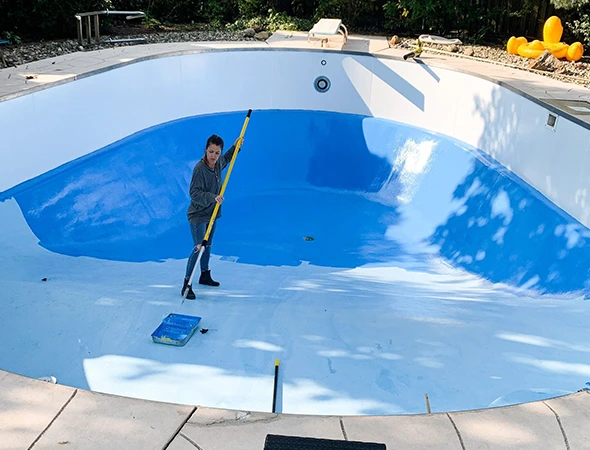
Our pool painting service focuses on proper surface preparation, high-quality coatings, and precise application to deliver a smooth, durable finish. The result is a refreshed pool surface that looks clean, lasts longer, and stands up to regular use.
Proper surface preparation is the foundation of a long-lasting pool paint job. Without it, new paint can peel, bubble, or wear out quickly due to poor adhesion and underlying damage. Dirt, algae, calcium buildup, and old paint layers must be completely removed before any coating is applied.
The process involves draining the pool, pressure washing, scraping off old paint, and performing acid washing when needed. Minor cracks and surface imperfections are also repaired to create a smooth and stable base. This ensures the new coating bonds properly, resulting in a cleaner finish and extended durability.
Maintaining the right chemical levels is essential for both safety and surface protection. Accurate testing and balancing help prevent staining, scaling, and damage to newly painted or existing pool surfaces while keeping the water clean and comfortable.
01
A thorough cleaning process removes dirt, algae, and debris that can affect water quality and surface condition. Regular cleaning supports better circulation and helps preserve the appearance and longevity of your pool.
02
Draining is carried out when necessary to remove contaminated or unbalanced water. The process is handled carefully to avoid structural stress and to prepare the pool for cleaning, repairs, or painting.
03
Faulty equipment or damaged components can impact overall pool performance. Timely repairs restore proper function, improve efficiency, and prevent further issues that could affect water quality or circulation.
04
Routine maintenance keeps your pool in consistent condition by addressing cleaning, chemical balance, and system performance. Ongoing care reduces the risk of major problems and helps maintain long-term reliability.
05
Spas and hot tubs require proper heating and circulation to function effectively. Repairing system issues ensures reliable performance and a comfortable, safe experience.
06
Professional painting enhances the look of your pool while adding a protective layer to the surface. Proper preparation and application ensure a smooth, durable finish that resists wear and environmental damage.
07
Detailed inspections help identify early signs of cracks, leaks, or equipment issues. Detecting problems early allows for timely repairs and prevents costly damage.
08
Robotic cleaners play an important role in maintaining pool cleanliness. Repairing faults ensures efficient operation and consistent cleaning coverage.
09
Proper installation of pumps, filters, and other equipment ensures efficient performance and long-term durability. Correct setup supports better water circulation and system reliability.
10
Preparing your pool for colder conditions protects it from damage caused by freezing temperatures and inactivity. This reduces maintenance needs when reopening the pool.
11
A complete opening process restores your pool after the off-season, including cleaning, system startup, and water balancing, ensuring it is ready for use.
12
Long Lasting Pool Finish
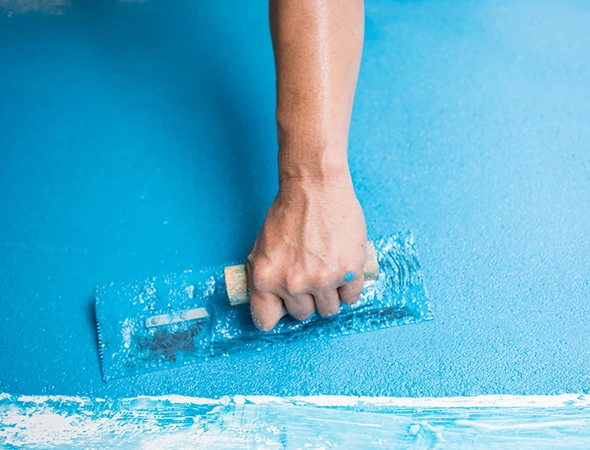
Proper preparation and high-quality coatings help extend the life of your pool surface. A well-painted pool resists peeling, fading, and wear, reducing the need for frequent repainting.
Improved Pool Appearance
A fresh coat of paint restores the overall look of your pool, covering stains, discoloration, and surface imperfections. This creates a clean, smooth, and visually appealing finish.
Better Surface Protection
Protective coatings act as a barrier against chemicals, UV exposure, and water damage. This helps prevent cracks, corrosion, and surface deterioration over time.
Stronger Paint Adhesion
Detailed preparation and proper application ensure the paint bonds effectively to the surface. This results in a more even finish that stays intact under regular use and environmental conditions.
Reduced Maintenance Needs
A smooth and properly sealed surface makes cleaning easier and prevents buildup. This reduces ongoing maintenance efforts and helps maintain water quality.
Prevention of Future Damage
Addressing cracks, stains, and surface issues before painting helps avoid bigger structural problems. Early treatment strengthens the pool surface and supports long-term durability.
Surface Inspection and Preparation
The pool surface is carefully inspected to identify cracks, old paint issues, and buildup. Cleaning, repairs, and preparation are completed to create a solid base for painting.
Painting and Coating Application
High-quality paint is applied evenly using the right techniques and conditions. This ensures full coverage, a smooth finish, and proper bonding with the surface.
Final Curing and Quality Check
Once the coating is applied, the surface is allowed to cure properly. A final check ensures durability, consistency, and a finish that is ready for long-term use.
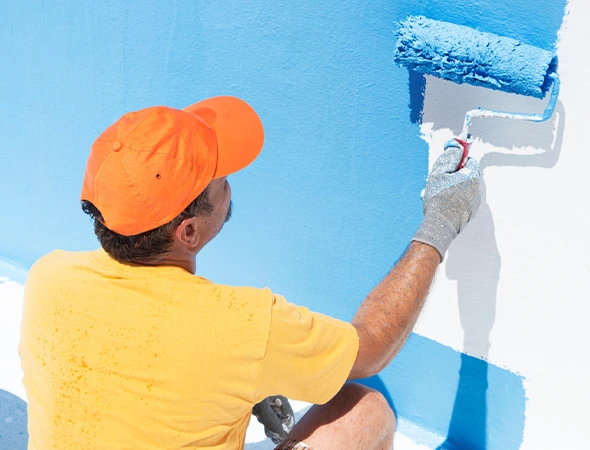
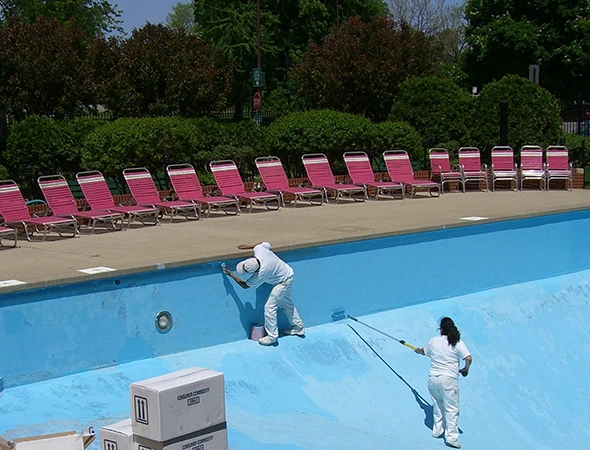
Applying pool paint requires precision, the right materials, and proper techniques to achieve a uniform and durable finish. Poor application can lead to uneven coating, streaks, or early fading, reducing both the appearance and lifespan of the paint.
High-quality coatings are applied evenly across the entire pool surface, ensuring full coverage and a consistent look. The application process is carried out under suitable conditions to allow proper drying and curing, creating a strong protective layer that resists chemicals, sunlight, and regular wear.
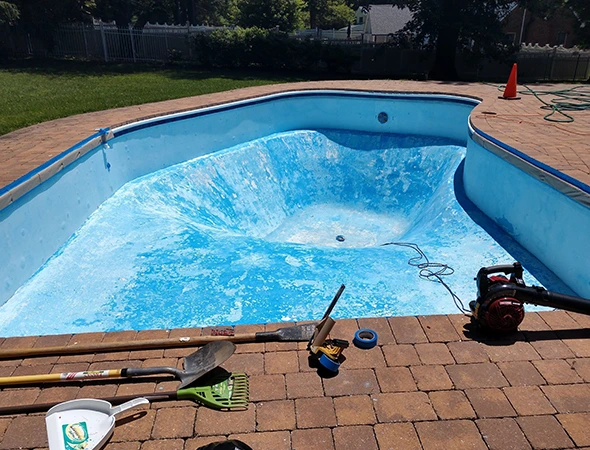
Cracks, chips, and surface damage can worsen over time if not addressed before painting. Even small imperfections can expand due to water pressure, temperature changes, and regular use, eventually leading to larger structural issues. Painting over damaged areas without proper repair often results in uneven finishes, poor adhesion, and reduced lifespan of the new coating.
All visible cracks, chips, and weak spots are carefully repaired using appropriate materials to restore the surface integrity. The repaired areas are then smoothed and blended to create an even base across the entire pool. This detailed preparation not only improves the final appearance but also strengthens the surface, ensuring the new paint holds properly and performs consistently over time.
Stains, algae, calcium deposits, and chemical buildup can prevent paint from bonding effectively to the pool surface. If these contaminants are not fully removed, they can cause the new coating to peel, bubble, or wear out prematurely, affecting both appearance and durability.
A thorough acid washing and cleaning process is used to strip away stubborn stains, mineral deposits, and organic buildup. This deep cleaning restores the surface to a clean, neutral state, allowing the paint to adhere properly. The result is a smoother application, stronger bonding, and a finish that remains intact and visually appealing for a longer period.
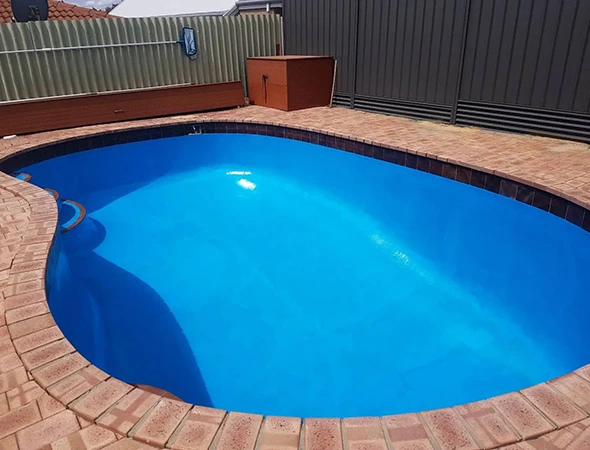
A properly applied protective coating is essential to maintain the appearance and durability of your pool after painting. Without a strong finishing layer, the surface can quickly fade, stain, or wear down due to constant exposure to chemicals, sunlight, and water.
A high-quality coating is applied to seal and protect the painted surface, creating a smooth and durable finish. This layer helps resist UV rays, chemical damage, and everyday wear while enhancing the overall look of the pool. The result is a longer-lasting finish that maintains its color, strength, and visual appeal over time.
How often should a pool be repainted?
Most pools need repainting every 5 to 7 years, depending on usage, water chemistry, and the type of paint used. Pools with heavy use or improper chemical balance may require repainting sooner, while well-maintained pools can extend the lifespan of the coating.
How long does pool painting take?
The process usually takes a few days, including draining, surface preparation, repairs, painting, and proper curing time. The exact duration can vary based on pool size, condition, and weather, as humidity and temperature affect drying and curing.
Do I need to drain my pool before painting?
Yes, the pool must be fully drained to allow proper cleaning, repairs, and paint application. Draining also helps identify hidden surface issues that need to be fixed before painting to ensure better results.
What type of paint is used for pools?
Common options include epoxy, acrylic, and rubber-based paints, each suited for different surfaces and conditions. The choice depends on your pool type, existing coating, and durability requirements to ensure proper adhesion and long-term performance.
How long should I wait before using the pool after painting?
Proper curing time is essential and usually ranges from a few days to a week. Filling the pool too early can damage the coating, so it’s important to allow the paint to fully set for maximum durability and finish quality.
Can painting fix cracks in my pool?
Painting alone cannot repair structural cracks, but minor surface cracks and imperfections are fixed before applying paint. This preparation ensures a smoother finish and prevents small issues from becoming bigger problems later.
Restore the look and durability of your pool with professional painting that protects against wear, fading, and surface damage. With proper preparation and expert application, your pool stays smooth, clean, and visually appealing for years.
Since 2023, Caliber Pool & Spa Servicing has helped homeowners keep pools and hot tubs operating properly. Service focuses on honest communication, dependable workmanship, careful inspections, and practical solutions for repair and maintenance needs. Every project receives attention aimed at delivering lasting results and dependable performance.
WhatsApp us